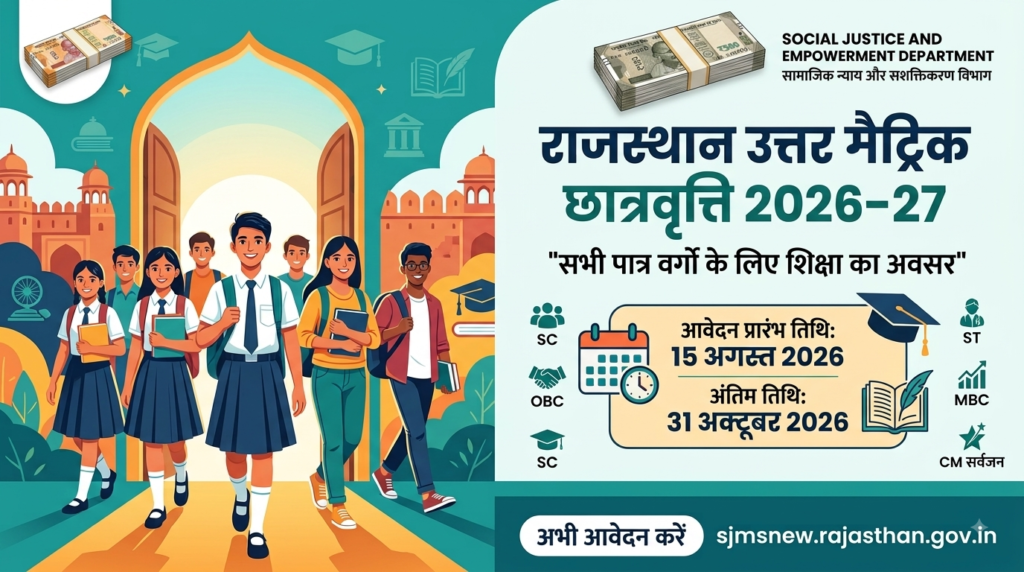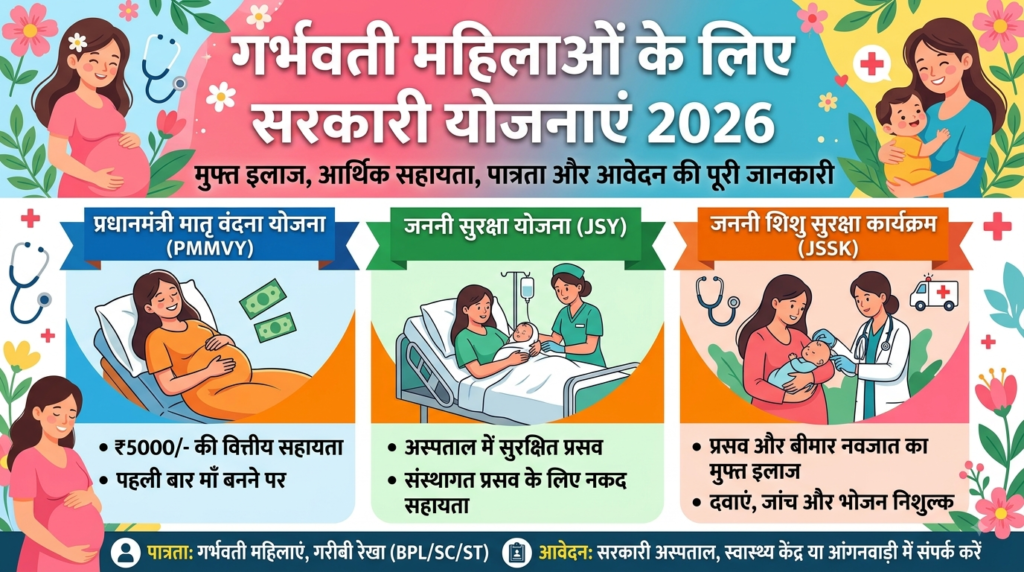









Government schemes can provide important support for students, farmers, women, senior citizens, workers, families, entrepreneurs, and other eligible sections of society. Yet many people miss useful benefits simply because they do not know which scheme is available, who can apply, or how to complete the application.
The Central Government Schemes section helps readers understand major schemes launched or implemented by the Government of India, including their purpose, eligibility, benefits, documents, application process, and official sources.
People commonly search for central government schemes 2026, government schemes in India, latest government schemes, central government yojana, government schemes for citizens, government schemes for students, government schemes for farmers, government schemes for women, government welfare schemes, and government schemes online apply.
This guide explains how central government schemes work, how to find suitable schemes, how to check eligibility, and how to apply safely.
What Are Central Government Schemes?
Central government schemes are programmes introduced or implemented by the Government of India to address specific social, economic, educational, agricultural, financial, employment, healthcare, housing, or development needs.
Different schemes have different objectives.
Some may provide:
- Financial assistance
- Insurance coverage
- Scholarships
- Pension-related benefits
- Credit support
- Housing assistance
- Agricultural support
- Skill development
- Employment-related assistance
- Healthcare benefits
- Support for women and children
Eligibility and benefits depend on the individual scheme.
Why Government Schemes Matter
A government scheme can be useful only when an eligible person knows about it and understands how to access it.
Many people search for information only after hearing about a scheme from:
- Friends
- Social media
- News reports
- Local offices
- Banks
- Schools or colleges
- Government employees
However, incomplete information can lead to confusion.
A reliable scheme guide should clearly explain who is eligible, what benefit is available, which documents are needed, and where the application should be submitted.
Major Types of Central Government Schemes
Central government schemes cover many areas.
1. Farmer Schemes
Programmes related to agriculture, income support, insurance, credit, irrigation, and farming infrastructure.
2. Student Schemes
Scholarships, educational support, skill development, and other student-focused programmes.
3. Women Welfare Schemes
Programmes supporting women’s financial, educational, health, safety, and social needs.
4. Pension Schemes
Schemes related to retirement, social security, and eligible beneficiaries.
5. Employment Schemes
Programmes supporting employment, skills, entrepreneurship, or livelihood opportunities.
6. Housing Schemes
Government programmes related to housing support for eligible beneficiaries.
7. Financial Inclusion Schemes
Programmes designed to improve access to banking, insurance, pensions, or financial services.
How to Check the Latest Central Government Schemes in 2026
Government schemes may be modified, expanded, merged, renamed, or discontinued.
Therefore, readers should check the latest information before applying.
A reliable process is:
Find Scheme → Check Official Source → Read Eligibility → Check Benefits → Prepare Documents → Apply → Track Application
The official scheme website or concerned government department should be treated as the final source for current eligibility and application rules.
How to Check Eligibility for a Government Scheme
Eligibility can vary significantly between schemes.
A scheme may consider factors such as:
- Age
- Income
- Occupation
- Residence
- Family status
- Educational qualification
- Landholding
- Employment status
- Social category
- Disability status
- Gender
- Other scheme-specific conditions
Meeting one condition does not necessarily mean that a person is eligible.
Candidates should check all eligibility conditions before applying.
Documents Commonly Required
Different schemes require different documents.
Depending on the scheme, applicants may be asked for:
- Aadhaar or another accepted identity document
- Mobile number
- Bank account details
- Address proof
- Income certificate
- Domicile certificate
- Educational certificates
- Caste certificate, where applicable
- Land or agricultural records
- Passport-size photograph
- Other scheme-specific documents
Do not upload unnecessary documents to unofficial websites.
How to Apply for Central Government Schemes
The application method depends on the scheme.
Online Application
Some schemes provide online applications through an official government portal.
The general process may involve:
- Visit the official portal.
- Create an account if required.
- Enter applicant details.
- Upload the required documents.
- Submit the application.
- Save the application number or acknowledgement.
Offline Application
Some schemes may require applications through:
- Government offices
- Banks
- Schools or colleges
- Local authorities
- Common service centres
- Other authorized institutions
Always follow the procedure specified by the concerned scheme.
Are All Government Schemes Free?
No.
The word “government scheme” does not automatically mean that every related service is completely free.
Some schemes may provide benefits without an application fee, while others may involve:
- Bank-related charges
- Service charges
- Contribution requirements
- Premiums
- Beneficiary contributions
- Other prescribed costs
Never assume that a scheme is completely free without checking its official terms.
Government Scheme vs Government Service
These terms are related but different.
A government scheme is generally a structured programme designed to achieve a particular policy or welfare objective.
A government service is a service provided by a government department or authorized system, such as applying for a certificate or updating an official record.
For example:
Scheme: Financial or welfare assistance for eligible beneficiaries.
Service: Application for an official certificate or document.
Understanding this difference helps readers find the correct information.
Central Government Schemes for Students
Students may benefit from different central programmes depending on their education level, category, course, family circumstances, and other eligibility conditions.
Possible areas include:
- Scholarships
- Higher education support
- Skill development
- Educational loans or related support
- Research opportunities
- Academic assistance
Students should check the exact scheme requirements rather than assuming eligibility based only on being a student.
Central Government Schemes for Farmers
Farmers may find schemes related to:
- Income support
- Crop insurance
- Agricultural credit
- Irrigation
- Farming infrastructure
- Soil and agricultural development
- Equipment and technology
Eligibility may depend on factors such as landholding, farming status, state, type of activity, and other conditions.
Agricultural schemes can also involve state-level implementation rules.
Central Government Schemes for Women
Women-focused government programmes can cover areas such as:
- Education
- Financial support
- Entrepreneurship
- Skill development
- Health
- Child welfare
- Safety
- Social security
Not every women-focused scheme is available to every woman.
The official eligibility criteria should always be checked.
Central Government Pension Schemes
Pension-related programmes may support eligible individuals through different forms of social security or retirement planning.
Eligibility can depend on:
- Age
- Employment
- Contribution history
- Income
- Scheme type
- Other conditions
Readers should distinguish between government pension schemes, social security schemes, and contributory pension products, because their rules and benefits can differ.
Government Schemes for Senior Citizens
Some programmes may provide support for eligible senior citizens in areas such as:
- Social security
- Healthcare
- Financial assistance
- Welfare services
Eligibility and benefits can vary according to the programme and implementing authority.
Government Schemes for Entrepreneurs
Entrepreneurs and small businesses may find government programmes related to:
- Credit support
- Entrepreneurship
- Skill development
- Business development
- Self-employment
- Micro and small enterprises
A scheme offering credit support should not be described as a guaranteed business loan.
Approval may depend on the applicable eligibility and lending rules.
Government Schemes for Low-Income Families
Certain welfare programmes are designed for eligible households based on income, socioeconomic conditions, occupation, or other criteria.
Benefits may include support related to:
- Food security
- Housing
- Healthcare
- Financial assistance
- Employment
- Social security
Eligibility must be verified through the official scheme rules.
How to Verify a Government Scheme
Before publishing or applying for a scheme, verify these details:
Scheme Name
Use the official name.
Ministry or Department
Identify the responsible authority.
Target Beneficiaries
Understand who the programme is intended for.
Eligibility
Check every required condition.
Benefits
Clearly explain what the eligible beneficiary can receive.
Application Method
Mention the official process.
Official Portal
Use the official government website or authorized portal.
Latest Update
Check whether the scheme has been modified or its guidelines have changed.
Beware of Fake Government Scheme Websites
Scammers sometimes use government scheme names to collect personal information or money.
Be careful with websites or messages that promise:
- Guaranteed cash
- Immediate government payment
- Guaranteed approval
- Free money for everyone
- Benefits without eligibility
- Urgent payment requests
A government scheme should be verified through the relevant official source.
Do Not Share OTP or Banking PIN
While applying for a scheme, never share confidential credentials such as:
- UPI PIN
- ATM PIN
- Internet banking password
- Card PIN
- OTP with an unknown person
An applicant should also be cautious before sharing sensitive documents with unofficial websites or individuals.
How to Track a Government Scheme Application
If the scheme provides an online tracking facility, applicants may be able to check status using:
- Application number
- Registration number
- Beneficiary ID
- Mobile number
- Other prescribed information
The exact tracking method varies by scheme.
If no online tracking system is available, applicants may need to contact the relevant implementing authority.
Why Applications Can Be Rejected
A scheme application may be rejected or remain pending for various reasons, including:
- Incomplete information
- Incorrect documents
- Eligibility not satisfied
- Duplicate application
- Verification pending
- Bank details mismatch
- Identity verification issue
- Incorrect category or beneficiary information
- Other scheme-specific reasons
The applicant should follow the official grievance or correction procedure where available.
What Is the Role of State Governments?
Many central government schemes are implemented with the involvement of state governments, local authorities, banks, educational institutions, or other agencies.
Therefore, the implementation process may differ between states even when the underlying programme is centrally introduced.
This is particularly important for schemes where state-level verification or administration is involved.
How to Write a Reliable Government Scheme Article
For your website, every scheme article should ideally contain:
- Scheme name
- Launch or introduction information
- Ministry/department
- Objective
- Eligible beneficiaries
- Eligibility criteria
- Benefits
- Required documents
- Application process
- Official portal
- Status tracking
- Important dates, if applicable
- Recent changes
- FAQs
- Last updated date
- Informational disclaimer
This structure provides useful information without making unsupported promises.
SEO Keywords for Central Government Schemes
Relevant search terms include:
- Central government schemes 2026
- Government schemes 2026
- Latest government schemes
- Central government yojana
- Government schemes in India
- Government welfare schemes
- Government schemes for farmers
- Government schemes for students
- Government schemes for women
- Government schemes for senior citizens
- Government schemes for poor families
- Government schemes online apply
- New government schemes
- Government scheme eligibility
- Government scheme benefits
- Government scheme application form
- Government scheme official website
These keywords should be used naturally and should match the actual information provided.
Frequently Asked Questions
What are central government schemes?
Central government schemes are programmes introduced or implemented by the Government of India to address specific social, economic, educational, agricultural, financial, or development objectives.
Where can I find government scheme information?
The safest source is the official website of the concerned ministry, department, or authorized implementing agency.
Who can apply for government schemes?
Eligibility depends on the individual scheme. It may be based on age, income, occupation, residence, education, family status, or other criteria.
Are government schemes available to everyone?
No. Most schemes have specific eligibility conditions.
Can I apply for government schemes online?
Some schemes provide online applications, while others use offline or assisted application methods.
What documents are usually required?
Documents vary. Common requirements can include identity proof, bank details, address proof, income certificates, photographs, and scheme-specific documents.
Can government scheme rules change?
Yes. Government programmes may be modified through official notifications, guidelines, budget decisions, or other administrative changes.
How can I check my application status?
If the scheme provides a tracking facility, applicants can use the prescribed application or beneficiary details to check the status.
Can I apply for multiple government schemes?
Eligibility depends on the individual schemes and their rules. Receiving one benefit does not automatically make a person eligible or ineligible for another programme.
Are government schemes guaranteed benefits?
No. Benefits depend on eligibility, verification, availability, and the applicable rules of the specific scheme.
Final Takeaway
Government schemes can provide valuable support, but knowing the scheme name is only the beginning.
Before applying, follow this simple process:
Identify the Scheme → Verify the Official Source → Check Eligibility → Understand Benefits → Prepare Documents → Apply Correctly → Track Status
For your website, the Central Government Schemes category should focus on accurate, practical, and regularly updated information.
Avoid headlines such as “Everyone Will Get Money”, “Guaranteed ₹50,000 Benefit”, or similar claims unless they are directly supported by an official source and the eligibility conditions are clearly explained.
A trustworthy website should clearly separate official information, eligibility conditions, application instructions, and general explanations.
The most useful government-scheme information is not the information that promises the biggest benefit—it is the information that helps an eligible person understand the correct process and avoid misinformation.
Informational Disclaimer
This article is provided for general informational and educational purposes only. It is not an official government notification, scheme guideline, sanction order, or guarantee of any benefit.
Government schemes, eligibility criteria, benefits, application procedures, deadlines, and implementing authorities may change from time to time.
Readers should verify the latest information through the official website of the concerned ministry, department, or authorized implementing agency before applying or relying on any scheme-related information.
Eligibility and benefit approval are subject to the applicable rules, verification process, and decisions of the concerned authority.
This website does not guarantee approval, financial assistance, subsidy, scholarship, pension, or any other government benefit.
This disclaimer does not exclude or limit any liability that cannot lawfully be excluded or limited under applicable law.