








Government schemes can provide financial support, subsidies, insurance, pensions, loans, scholarships and other benefits to eligible citizens. But finding the right government scheme is often difficult because different schemes are designed for different groups such as farmers, students, women, senior citizens, workers, entrepreneurs and low-income families.
Many people search for government schemes in India, latest government schemes, central government schemes, financial assistance schemes, government subsidy schemes, government loan schemes, welfare schemes, scheme eligibility, how to apply for government schemes and government scheme benefits.
This guide explains how government financial schemes work, what types of support are available, how to check eligibility, what documents may be required, how to apply safely and how to avoid common mistakes and fraud.
Important: Government schemes, eligibility conditions, benefit amounts, application procedures and deadlines can change. Always verify the latest information through the concerned government department or official portal before applying.
What Are Government Financial Schemes?
Government financial schemes are programmes introduced by the Central Government, State Governments or authorised government agencies to provide specific benefits or support to eligible individuals, families, farmers, workers, students, businesses and other groups.
Depending on the scheme, support may include:
- Direct financial assistance
- Subsidies
- Loans
- Interest support
- Insurance
- Pension
- Scholarships
- Income support
- Credit facilities
- Skill-development assistance
- Employment-related support
- Social-security benefits
Not every scheme provides direct cash.
Some schemes provide services, insurance coverage, subsidised credit or other forms of financial assistance.
Why Government Schemes Are Important
Government schemes can help eligible citizens manage important financial needs.
For example, a scheme may help a person:
- Start a small business
- Obtain affordable credit
- Protect crops
- Receive pension support
- Pay for education
- Access insurance
- Develop skills
- Improve housing conditions
- Receive social-security benefits
However, eligibility is the key factor.
A scheme being available does not automatically mean that every citizen qualifies for it.
Central Government vs State Government Schemes
Government schemes can broadly be divided into two categories.
Central Government Schemes
These are introduced or administered by the Government of India and its ministries, departments or authorised agencies.
They may operate across multiple states, although eligibility and implementation can differ.
State Government Schemes
These are introduced by individual state governments.
Benefits may be available only to eligible residents or beneficiaries meeting the state’s requirements.
A person should always identify whether a scheme is:
Central + State + Department-specific
before applying.
Major Types of Government Financial Schemes
Government financial schemes cover many areas.
1. Farmer Schemes
These may provide:
- Income support
- Crop insurance
- Agricultural credit
- Subsidies
- Irrigation support
- Equipment assistance
2. Pension Schemes
These may support:
- Senior citizens
- Workers
- Low-income individuals
- Eligible vulnerable groups
3. Insurance Schemes
Government-supported insurance programmes may provide financial protection against specified risks.
4. Business and Loan Schemes
These can support:
- Entrepreneurs
- Micro businesses
- Small businesses
- Self-employed individuals
- Eligible startups
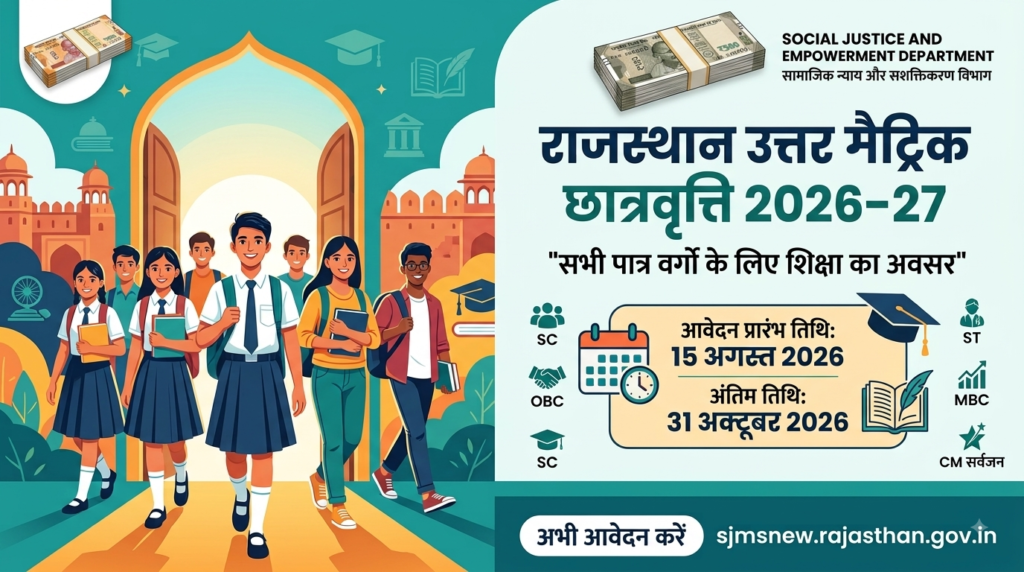
5. Scholarship Schemes
These may help eligible students with education-related expenses.
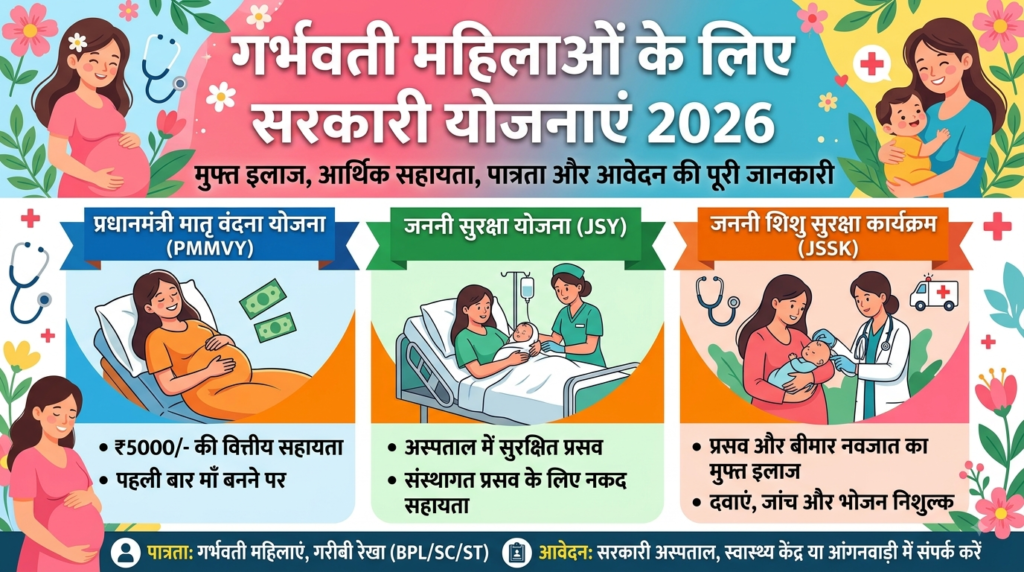
6. Women-Welfare Schemes
These may support:
- Education
- Entrepreneurship
- Financial inclusion
- Maternal and family welfare
- Skill development
7. Student Schemes
These can cover:
- Scholarships
- Education support
- Skill development
- Training
- Career opportunities
How to Find the Right Government Scheme
Instead of searching randomly, first identify your category.
Ask:
Who am I?
For example:
- Student
- Farmer
- Woman
- Senior citizen
- Worker
- Entrepreneur
- Small business owner
- Job seeker
- Person with disability
- Low-income household
Then identify your requirement.
For example:
What do I need?
- Scholarship
- Loan
- Pension
- Insurance
- Housing support
- Business assistance
- Education support
- Skill training
This makes scheme discovery much easier.
Government Scheme Eligibility
Every scheme has its own eligibility criteria.
Common eligibility conditions may include:
- Age
- Income
- Occupation
- Residence
- Citizenship
- Educational qualification
- Land ownership or cultivation status
- Employment status
- Business type
- Family circumstances
- Category
- Existing benefit status
Some schemes may have multiple eligibility conditions that must be satisfied together.
Income Criteria
Many welfare schemes use income-based eligibility.
Applicants may need to provide information about:
- Annual family income
- Household income
- Income category
- Income certificate
Do not enter an estimated income simply to qualify.
False information can result in rejection, recovery of benefits or other consequences under applicable rules.
Age Criteria
Some schemes are available only within a specified age range.
For example, a scheme may be designed for:
- Children
- Students
- Working-age individuals
- Senior citizens
Always check whether age is calculated on the application date, financial year, admission date or another specified date.
Residence and Domicile Requirements
Some schemes are available to residents of a particular state.
Applicants may need:
- Domicile certificate
- Residence proof
- State-issued documents
A Central Government scheme and a State Government scheme may have completely different residence requirements.
Aadhaar and Government Schemes
Aadhaar may be used for identity verification or authentication in many government services and schemes, subject to applicable rules.
However, Aadhaar requirements are not identical for every programme.
Before submitting Aadhaar information, check the official requirements of the particular scheme.
Bank Account Requirements
Many government benefits are transferred electronically to an eligible beneficiary’s bank account.
Therefore, applicants may need to provide:
- Bank account number
- IFSC
- Account holder name
- Bank details linked to the required identity or scheme records, where applicable
Always check that the bank account details are correct.
A wrong account number or inactive account can create payment problems.
Direct Benefit Transfer
Direct Benefit Transfer (DBT) is a mechanism through which eligible government benefits can be transferred directly to beneficiaries’ bank accounts under applicable schemes.
DBT can reduce the need for intermediaries and improve transparency.
However, receiving a benefit still depends on satisfying the scheme’s eligibility and verification requirements.
Common Documents Required for Government Schemes
Documents vary from scheme to scheme.
Commonly requested documents can include:
- Aadhaar or accepted identity proof
- PAN, where applicable
- Bank account details
- Mobile number
- Passport-size photograph
- Address proof
- Income certificate
- Domicile certificate
- Educational certificates
- Caste/category certificate, where applicable
- Land records for certain farmer schemes
- Business documents
- Employment-related documents
Never upload documents to an unknown website simply because it claims to provide a government scheme.
How to Apply for a Government Scheme
The general application process may look like this:
Step 1: Find the Official Scheme
Identify the government department or authorised agency responsible for the scheme.
Step 2: Read the Eligibility Conditions
Check every requirement carefully.
Step 3: Prepare Documents
Keep clear and valid documents ready.
Step 4: Complete Registration
Enter the required information accurately.
Step 5: Upload Documents
Upload documents only through the authorised application system.
Step 6: Submit the Application
Review all information before final submission.
Step 7: Save the Application Number
Keep the acknowledgement or reference number.
Step 8: Track the Application
Use the official tracking facility, where available.
Why You Should Read the Official Guidelines
A short social-media post may say:
“Government is giving ₹50,000 to everyone.”
That statement may be misleading.
The actual scheme could have:
- Specific eligibility
- Limited beneficiaries
- Income criteria
- Age conditions
- Application deadlines
- State-specific rules
- Verification requirements
Always read the official guidelines before believing a viral claim.
Government Loan Schemes
Some government-supported programmes facilitate access to credit for eligible individuals or businesses.
These may target:
- Micro-enterprises
- Small businesses
- Entrepreneurs
- Self-employed individuals
- Farmers
- Certain occupational groups
A government-supported loan is still subject to applicable terms.
Loan does not mean free money.
Repayment, interest, eligibility and other conditions depend on the specific programme and lending institution.
Government Subsidy Schemes
A subsidy generally refers to financial support provided under specified conditions to reduce the cost of an eligible activity, product, service or investment.
Examples may relate to:
- Agriculture
- Renewable energy
- Housing
- Business equipment
- Skill development
- Other eligible sectors
The beneficiary usually has to meet specific conditions.
A subsidy should never be assumed to be automatically available simply because an applicant purchases a product or service.
Government Schemes for Farmers
Agriculture-related schemes can cover different needs, including:
- Income support
- Crop insurance
- Agricultural credit
- Irrigation
- Soil health
- Seeds
- Equipment
- Infrastructure
- Market support
Farmers should check whether eligibility depends on:
- Land ownership
- Cultivation status
- Type of crop
- State
- Farmer category
- Registration
- Other conditions
Government Schemes for Students
Students can find government-supported programmes relating to:
- Scholarships
- Education assistance
- Skill development
- Training
- Fellowships
- Competitive examinations
- Higher education
Students should check:
- Course eligibility
- Institution eligibility
- Academic performance
- Family income
- Category requirements
- Application deadlines
Scholarship applications often require accurate academic and bank information.
Government Schemes for Women
Women may be eligible for government programmes related to:
- Education
- Financial inclusion
- Entrepreneurship
- Skill development
- Health and family welfare
- Employment
- Social security
The exact benefits and eligibility conditions vary by scheme.
A woman should check both Central Government and State Government schemes because support may exist at both levels.
Pension and Social Security Schemes
Government-supported pension and social-security programmes may be designed for eligible workers, senior citizens or other groups.
Before applying, check:
- Age requirement
- Income criteria
- Contribution requirement, if any
- Occupation
- Residence
- Existing pension benefits
- Bank account requirements
Some pension products involve regular contributions rather than a free government payment.
Insurance-Related Government Schemes
Insurance-related schemes can provide financial protection against specified risks.
Depending on the programme, coverage may relate to:
- Life
- Accidents
- Crops
- Health
- Other specified risks
Always read:
- Coverage
- Premium/contribution
- Exclusions
- Claim procedure
- Eligibility
- Renewal requirements
Insurance should not be treated as identical to direct financial assistance.
Government Schemes for Small Businesses
Small business owners may find programmes related to:
- Credit
- Entrepreneurship
- Skill development
- Technology
- Market access
- Infrastructure
- Employment generation
Before applying, check whether your business meets the relevant definition and eligibility requirements.
Business registration or other formal documentation may be required for certain programmes.
How to Check Government Scheme Application Status
Many government portals provide an online status-check facility.
You may need:
- Application number
- Registration number
- Mobile number
- Aadhaar or other identification details
- Date of birth
The exact information required depends on the scheme.
Always use the official portal.
What Does “Application Under Process” Mean?
If an application shows “Under Process”, it generally means the application has not yet reached its final status.
Possible stages may include:
- Document verification
- Department review
- Eligibility checking
- Bank verification
- Field verification
- Approval process
Do not assume that “Under Process” means the benefit has already been approved.
Why Government Scheme Applications Get Rejected
Possible reasons can include:
- Incomplete application
- Incorrect information
- Invalid documents
- Eligibility not satisfied
- Duplicate application
- Incorrect bank details
- Verification failure
- Expired certificate
- Missing required information
- Application submitted after deadline
The actual reason should be checked from the official status or department.
What to Do If an Application Is Rejected
First, identify the reason.
Then check whether the scheme provides:
- Correction facility
- Reapplication
- Appeal
- Grievance process
- Document resubmission
Do not pay an unknown agent simply because they claim they can “guarantee approval.”
Government Scheme Fraud: Important Warning
Fraudsters often use government scheme names to collect money or personal information.
Be careful with messages claiming:
- “You have won a government scheme.”
- “Pay ₹500 to receive ₹50,000.”
- “Send OTP for verification.”
- “Share your ATM PIN.”
- “Install this app for subsidy.”
- “Give your UPI PIN to receive the benefit.”
These are major warning signs.
Never Share Your Banking Credentials
Government benefits may require bank information through authorised systems, but you should never casually share:
- ATM PIN
- UPI PIN
- Internet banking password
- OTP
- CVV
- Debit-card password
If someone claims to be a government official and asks for confidential banking credentials, independently verify the request.
How to Identify a Genuine Government Scheme Website
Before entering personal information, check:
Official Domain
Look carefully at the website address.
Department Name
Confirm which government department operates the portal.
Official Notification
Look for scheme guidelines or government orders.
Contact Details
Check official helpline and department information.
Application Process
A genuine scheme should have clearly defined eligibility and procedures.
Be cautious about websites that use government logos but have no clear connection with the responsible department.
Government Scheme Search Strategy
If you are searching online, use specific search terms.
Instead of:
“government scheme”
try:
- government schemes for students
- government schemes for farmers
- government loan schemes for small business
- government scholarship eligibility
- women government schemes
- senior citizen pension schemes
- government subsidy scheme eligibility
- Central Government schemes
- State Government schemes
- government scheme application status
Specific searches usually produce more useful results.
How to Compare Two Government Schemes
Do not compare only the benefit amount.
Check:
| Factor | What to Check |
|---|---|
| Eligibility | Who can apply? |
| Benefit | What is provided? |
| Application | Online/offline? |
| Documents | What is required? |
| Deadline | When to apply? |
| Renewal | Is renewal required? |
| Payment | How is benefit provided? |
| Verification | What checks apply? |
| Restrictions | What conditions apply? |
| Official Authority | Who administers it? |
This makes comparison more practical.
Government Schemes and Financial Planning
A government benefit can support financial planning, but it should not become the only part of your financial plan.
For example, if someone receives an eligible subsidy or scholarship, they should still plan for:
- Monthly expenses
- Emergency savings
- Education costs
- Insurance
- Debt repayment
- Future financial needs
Government assistance may be helpful, but financial stability requires broader planning.
Common Mistakes While Applying
Mistake 1: Applying Without Checking Eligibility
This wastes time and can create unnecessary applications.
Mistake 2: Using Incorrect Documents
Always check validity and format.
Mistake 3: Entering Wrong Bank Details
Verify account number and IFSC carefully.
Mistake 4: Ignoring Deadlines
Some schemes have strict application windows.
Mistake 5: Using Unofficial Websites
Always verify the responsible department.
Mistake 6: Paying Unauthorised Agents
Never pay someone merely because they promise guaranteed approval.
Mistake 7: Sharing OTP
Never disclose authentication credentials.
Mistake 8: Believing Viral Messages
A viral message is not proof that a scheme is genuine.
Government Scheme Checklist
Before applying:
- Identify the scheme
- Confirm the official authority
- Read eligibility criteria
- Check application dates
- Prepare documents
- Verify bank details
- Use the official portal
- Review the form
- Save acknowledgement
- Track application status
Frequently Asked Questions
What are government financial schemes?
They are government programmes that may provide financial assistance, subsidies, loans, insurance, pensions, scholarships or other benefits to eligible beneficiaries.
Who can apply for government schemes?
Eligibility depends on the individual scheme. Different programmes may target students, farmers, women, workers, senior citizens, businesses and other groups.
Are government schemes available to everyone?
No. Most schemes have specific eligibility requirements.
How can I find government schemes?
Identify your category and requirement, then verify relevant schemes through official government departments and authorised portals.
Are government loan schemes free money?
No. A government-supported loan generally has repayment and other applicable conditions.
What is DBT?
DBT stands for Direct Benefit Transfer. It is a mechanism used for transferring eligible government benefits directly to beneficiaries through authorised banking channels.
Can I apply for more than one government scheme?
It depends on the rules of the individual schemes. Some benefits may be compatible, while others may have restrictions.
Why was my government scheme application rejected?
Possible reasons include eligibility issues, incorrect information, incomplete documents or unsuccessful verification. Check the official status for the specific reason.
Can I correct my application after submission?
Some portals provide correction facilities, while others may not. Follow the instructions of the particular scheme.
How do I check my application status?
Use the official scheme portal and the relevant application or registration details.
Do government schemes require Aadhaar?
Requirements vary. Some schemes may use Aadhaar for identification or authentication, while others may accept alternative documents according to applicable rules.
Can an agent guarantee government scheme approval?
No legitimate person should promise approval without reference to the scheme’s eligibility and official process.
Are all government scheme websites genuine?
No. Fraudulent websites can imitate government services. Always verify the official domain and responsible department.
Can a government scheme benefit be transferred to a bank account?
Where a scheme uses DBT or another electronic payment mechanism, eligible benefits may be transferred through the prescribed banking process.
Final Takeaway
Government financial schemes can be valuable tools for financial support, social security, education, agriculture, entrepreneurship and economic development. But the most important step is not simply finding a scheme—it is finding the correct scheme for your eligibility and requirement.
Before applying, remember:
Check the official source → Verify eligibility → Prepare valid documents → Apply through the authorised channel → Save your application details → Track the status → Never share confidential banking credentials.
Do not judge a scheme only by a viral headline or advertised benefit amount. Read the actual eligibility conditions, guidelines and terms.
For a financial-information website, Government Schemes is a strong evergreen topic because citizens regularly search for new schemes, eligibility, application procedures, benefits, documents and application status.
Recommended Evergreen Articles
- Government Schemes in India: Complete Guide
- How to Check Government Scheme Eligibility
- Central Government Schemes vs State Government Schemes
- Government Loan Schemes for Small Businesses
- Government Schemes for Farmers
- Government Scholarships for Students
- Government Schemes for Women
- Pension and Social Security Schemes
- Government Subsidy Schemes: How They Work
- How to Check Government Scheme Application Status
- Documents Required for Government Schemes
- How to Identify Fake Government Scheme Websites
- Direct Benefit Transfer (DBT): Complete Guide
- Government Scheme Application: Common Mistakes
- How to Find the Right Government Scheme
Informational Disclaimer
This article is provided for general informational and educational purposes only. It is not an official government notification, legal advice, financial advice, tax advice or a guarantee of eligibility or benefit.
Government schemes, eligibility conditions, benefit amounts, application procedures, deadlines, documents, funding provisions and implementation rules may change. Readers should verify the latest information directly through the concerned government department, official portal or authorised agency before applying.
Eligibility for a scheme does not guarantee approval or payment. Applications may be subject to document verification, eligibility checks, fund availability and other conditions prescribed by the responsible authority.
This website does not guarantee approval, payment, subsidy, loan sanction, scholarship, pension or any other government benefit.
Never share confidential information such as OTP, UPI PIN, ATM PIN, CVV or internet-banking passwords with unknown persons claiming to process a government scheme.
Where a scheme involves financial, tax, legal or business consequences, readers should obtain appropriate advice from the relevant government authority or qualified professional.
This disclaimer does not exclude or limit any liability that cannot legally be excluded or limited under applicable law.