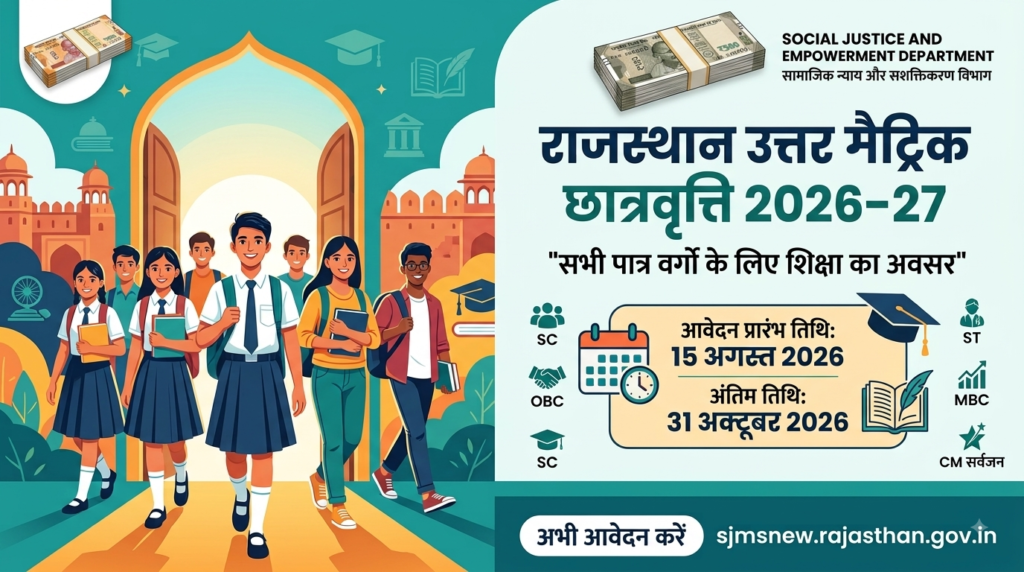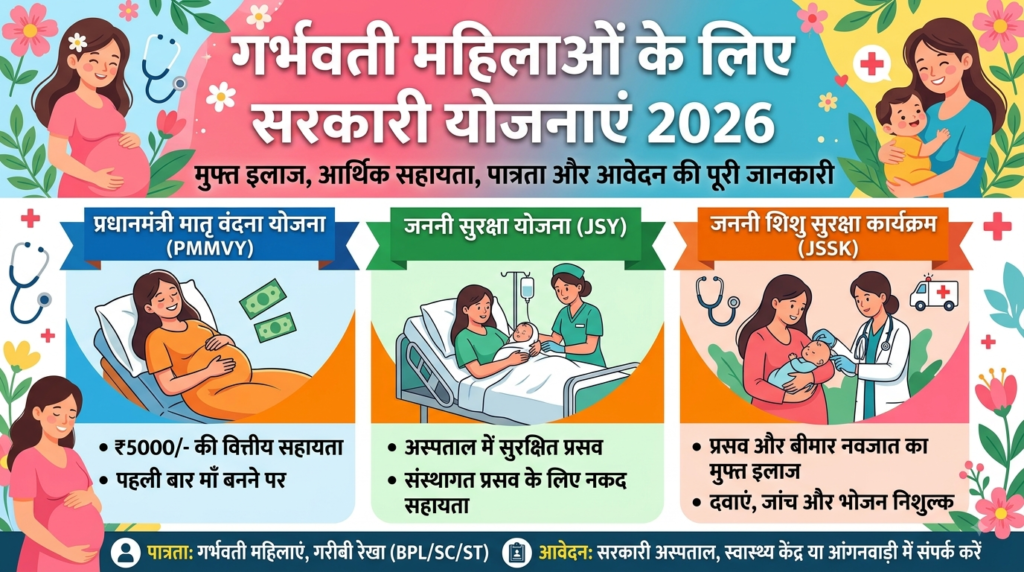









Every state in India has different social, economic, agricultural, educational, and welfare needs. That is why state governments launch and implement schemes specifically for people living in their state.
From student scholarships and women welfare programmes to farmer assistance, pensions, employment support, housing, healthcare, and financial assistance, state government schemes can cover a wide range of needs.
The challenge is that information about these schemes is often spread across different department websites and portals. This makes it difficult for citizens to understand which scheme is available, who can apply, what documents are required, and how to check the application status.
The State Government Schemes section of your website can bring this information together in a simple and useful format.
People commonly search for state government schemes 2026, state government schemes in India, latest state government schemes, state government yojana, government schemes by state, state welfare schemes, state schemes online apply, state government subsidy, state scholarship schemes, state farmer schemes, women welfare schemes, pension schemes, and state government scheme eligibility.
This guide explains how state government schemes work and how citizens can find, verify, and apply for relevant programmes.
What Are State Government Schemes?
State government schemes are programmes introduced, funded, administered, or implemented by state governments for eligible residents and specific groups.
These schemes may focus on areas such as:
- Education
- Agriculture
- Employment
- Healthcare
- Housing
- Women welfare
- Child welfare
- Social security
- Pension
- Skill development
- Entrepreneurship
- Financial assistance
- Rural development
- Senior citizen support
The eligibility and benefits can differ from one state to another.
A person eligible for a particular scheme in one state may not automatically qualify for a similar scheme in another state.
Why State Government Schemes Are Important
India has significant differences between states in terms of:
- Agriculture
- Employment
- Education
- Geography
- Income levels
- Infrastructure
- Social needs
- Local industries
State governments can therefore design programmes according to regional requirements.
For citizens, these schemes may provide access to support that is specifically designed for their state or local community.
Major Types of State Government Schemes
State government schemes can be divided into several major categories.
1. Education Schemes
These may include:
- Scholarships
- Fee assistance
- Student welfare
- Educational incentives
- Hostel support
- Skill development
2. Farmer Schemes
These may support:
- Agriculture
- Irrigation
- Farm equipment
- Crop-related activities
- Livestock
- Agricultural infrastructure
3. Women Welfare Schemes
Programmes may focus on:
- Women’s financial support
- Education
- Employment
- Entrepreneurship
- Health
- Safety
- Child welfare
4. Pension Schemes
These may provide social-security assistance to eligible:
- Senior citizens
- Widows
- Persons with disabilities
- Other eligible beneficiaries
5. Employment Schemes
These can include:
- Skill development
- Self-employment
- Entrepreneurship
- Job-related training
- Livelihood support
State Government Schemes 2026: What Should You Check?
Government programmes can change over time.
Before applying for any scheme, verify:
Scheme Name → State → Department → Eligibility → Benefits → Documents → Application Process → Deadline → Status
This is particularly important because state government websites may update guidelines, application dates, or eligibility conditions.
State-Wise Government Schemes
One of the most useful ways to organize state government scheme information is state-wise.
For example, your website can create dedicated pages or categories for:
- Rajasthan Government Schemes
- Uttar Pradesh Government Schemes
- Madhya Pradesh Government Schemes
- Maharashtra Government Schemes
- Gujarat Government Schemes
- Haryana Government Schemes
- Punjab Government Schemes
- Bihar Government Schemes
- Karnataka Government Schemes
- Tamil Nadu Government Schemes
- West Bengal Government Schemes
- Other Indian States and Union Territories
This makes it easier for visitors to find schemes relevant to their location.
Who Can Apply for State Government Schemes?
There is no universal eligibility rule.
A state scheme may be available to:
- Permanent residents of the state
- Students
- Farmers
- Women
- Senior citizens
- Persons with disabilities
- Workers
- Entrepreneurs
- Low-income families
- Children
- Specific communities or categories
- Other defined beneficiaries
Some schemes may require a specific domicile or residence certificate.
Importance of Domicile or Residence
State-level programmes may require proof that the applicant belongs to or resides in the relevant state.
Depending on the scheme, acceptable proof may include:
- Domicile certificate
- Residence certificate
- Address-related government records
- Other officially accepted documents
The exact requirement should be checked in the current scheme guidelines.
State Government Schemes for Students
Students may find state-level assistance for:
- School education
- Higher education
- Professional courses
- Scholarships
- Fee assistance
- Hostel facilities
- Educational incentives
- Skill development
Eligibility may depend on:
- Class
- Course
- Academic marks
- Family income
- Category
- Institution
- State residence
Students should check whether the scheme applies to their specific course and institution.
State Government Schemes for Farmers
Agriculture is a major focus of many state governments.
State farmer programmes may cover:
- Agricultural equipment
- Irrigation
- Seeds
- Horticulture
- Livestock
- Crop-related assistance
- Farm infrastructure
- Training
- Agricultural development
Farmers should check whether a scheme is specifically state-funded or implemented jointly with another government authority.
State Government Schemes for Women
State governments may introduce programmes designed to support women through:
- Financial assistance
- Education
- Employment
- Skill development
- Entrepreneurship
- Health
- Social welfare
- Child-related support
Eligibility can depend on age, income, marital status, residence, occupation, family circumstances, or other conditions.
State Pension Schemes
Many states operate social-security programmes for eligible beneficiaries.
These may include support for:
- Senior citizens
- Widows
- Persons with disabilities
- Other eligible groups
The pension amount, eligibility, application process, and payment rules can vary between states.
Therefore, pension information should always be verified from the relevant state department.
State Employment and Skill Development Schemes
State governments may operate programmes that help residents improve employment opportunities.
These can include:
- Vocational training
- Skill development
- Apprenticeship-related support
- Entrepreneurship
- Self-employment
- Employment assistance
A training programme should not automatically be described as a guaranteed job opportunity unless the official programme specifically provides such an arrangement.
State Housing Schemes
Some state programmes may provide housing-related assistance to eligible beneficiaries.
Support can potentially involve:
- Housing construction
- Housing improvement
- Financial assistance
- Land-related support
- Infrastructure
The exact benefit and eligibility depend on the particular programme.
State Healthcare Schemes
State governments may operate healthcare programmes for eligible residents.
Depending on the programme, benefits can relate to:
- Hospital treatment
- Health insurance
- Medical assistance
- Specific diseases
- Maternal healthcare
- Other healthcare services
Citizens should check the list of covered services, hospitals, eligibility conditions, and applicable limits before relying on the programme.
State Welfare Schemes for Senior Citizens
Some states provide specific welfare services for senior citizens.
These may involve:
- Social security
- Pension
- Healthcare
- Assistance services
- Other welfare measures
The eligibility requirements can vary by state.
State Schemes for Persons With Disabilities
Eligible persons with disabilities may find state programmes related to:
- Financial assistance
- Education
- Skill development
- Employment
- Assistive support
- Social security
Applicants may need valid disability documentation issued through the prescribed process.
State Government Schemes for Entrepreneurs
State governments may also support entrepreneurship and local businesses.
Possible areas include:
- Startup support
- Business loans
- Interest assistance
- Training
- Subsidies
- Employment generation
- Industrial development
A subsidy or financial assistance programme should not be treated as a guaranteed business loan or guaranteed investment return.
Approval depends on the applicable rules and implementing authority.
Documents Commonly Required
The document list depends on the scheme.
Common documents may include:
- Aadhaar or accepted identity proof
- State residence/domicile certificate
- Mobile number
- Bank account details
- Income certificate
- Caste/category certificate, where applicable
- Educational certificates
- Land records
- Disability certificate, where applicable
- Passport-size photograph
- Other scheme-specific documents
Applicants should upload only the documents requested through the official application system.
How to Apply for State Government Schemes Online
Where online applications are available, the process generally follows these steps:
Step 1: Identify Your State
Make sure the programme is applicable to your state.
Step 2: Find the Official Scheme
Visit the relevant government department or authorized portal.
Step 3: Check Eligibility
Read all eligibility conditions carefully.
Step 4: Register
Create an account if required.
Step 5: Fill in the Application
Enter accurate personal, financial, educational, or other required information.
Step 6: Upload Documents
Submit the required documents in the specified format.
Step 7: Review
Check the entire application before submission.
Step 8: Submit
Submit within the prescribed deadline.
Step 9: Save the Acknowledgement
Keep the application number or receipt.
Offline Application Process
Some state government schemes may still use offline or assisted application systems.
Applications may be accepted through:
- Government departments
- District offices
- Local authorities
- Banks
- Schools and colleges
- Authorized service centres
- Other designated institutions
Always verify the official application channel before visiting an office or submitting documents.
How to Check State Scheme Application Status
If online tracking is available, applicants may be able to check their application using:
- Application number
- Registration ID
- Beneficiary number
- Mobile number
- Aadhaar-related information, where officially required
- Other prescribed details
Possible statuses may include:
- Submitted
- Under verification
- Approved
- Rejected
- Correction required
- Payment processed
- Payment pending
The exact status names vary between portals.
Why Can a State Scheme Application Be Rejected?
An application may be rejected or held for several reasons.
Common reasons include:
- Eligibility criteria not satisfied
- Incorrect information
- Invalid documents
- Residence requirement not met
- Income limit exceeded
- Bank details mismatch
- Duplicate application
- Verification failure
- Missing documents
- Application submitted after the deadline
If a correction or grievance mechanism is available, applicants should use the official process.
Central Government Scheme vs State Government Scheme
This distinction is important.
| Central Government Scheme | State Government Scheme |
|---|---|
| Operates under the Government of India framework | Operates under a state government framework |
| May cover beneficiaries across India | Usually focuses on eligible residents or beneficiaries within the state |
| Relevant central ministry/authority manages or oversees the programme | Relevant state department manages or implements it |
| National rules may apply | State-specific rules may apply |
Some programmes may involve cooperation between central and state governments.
Can a Person Receive a Central and State Scheme Benefit?
There is no universal answer.
Some programmes may permit multiple benefits, while others may restrict overlapping assistance.
Applicants should check the individual scheme rules before assuming that two benefits can be received together.
State Scheme and District-Level Implementation
A scheme may be designed at the state level but implemented through district or local authorities.
This can involve:
State Department → District Administration → Local Authority → Beneficiary
The exact administrative structure depends on the scheme.
This is why applicants may sometimes need to contact their district or local office for verification.
How to Find the Right State Government Scheme
Start with your personal requirement.
Student
Search education and scholarship schemes.
Farmer
Search agriculture and farmer welfare schemes.
Senior Citizen
Check pension and social-security programmes.
Woman
Check women welfare and entrepreneurship schemes.
Entrepreneur
Check startup, business, employment, and self-employment programmes.
Job Seeker
Check skill development and employment programmes.
This approach is much more effective than searching only for “latest government scheme.”
How to Avoid Fake State Government Scheme Websites
Fraudulent websites can use government logos, scheme names, and official-looking designs.
Be cautious if a website:
- Promises guaranteed money
- Demands unnecessary payment
- Requests banking passwords
- Requests UPI PIN
- Asks for OTP
- Claims instant approval
- Uses suspicious domain names
- Creates unnecessary urgency
Always verify the programme through the relevant official government website.
Do Not Share OTP or Banking PIN
Applicants should never provide confidential banking information to unknown individuals.
Never share:
- UPI PIN
- ATM PIN
- Internet banking password
- Card PIN
- OTP
A government employee, bank representative, or service provider should not be trusted merely because they claim to be associated with a government scheme.
Verify independently before taking action.
How to Keep State Scheme Information Updated
State government schemes can change frequently.
Your website should monitor official sources for changes in:
- Scheme name
- Eligibility
- Benefits
- Application dates
- Documents
- Portal
- Department
- Budget provisions
- Implementation rules
- Payment process
Each article should clearly show:
Last Updated: [Date]
This is especially useful for readers searching for state government schemes 2026.
Recommended Structure for Every State Scheme Post
For each individual scheme, your website can use the following format:
- Scheme Name
- State
- Department
- Scheme Overview
- Objective
- Eligibility
- Benefits
- Required Documents
- Application Process
- Online Application
- Offline Application
- Status Check
- Payment Details
- Important Dates
- Latest Update
- FAQs
- Official Website
- Last Updated
- Disclaimer
This structure provides clear and useful information to visitors.
SEO Keywords for State Government Schemes
Useful search terms include:
- State government schemes 2026
- State government schemes in India
- Latest state government schemes
- State government yojana
- Government schemes by state
- State welfare schemes
- State schemes online apply
- State government scheme eligibility
- State government scheme benefits
- State government subsidy schemes
- State scholarship schemes
- State farmer schemes
- State pension schemes
- State women welfare schemes
- State government schemes for students
- State government schemes for farmers
- New government schemes 2026
- Government scheme application
- Government scheme status check
Use keywords naturally and ensure that the article actually provides information relevant to the search query.
Frequently Asked Questions
What are state government schemes?
State government schemes are programmes introduced or implemented by state governments to support eligible residents and specific groups.
Who can apply for state government schemes?
Eligibility depends on the individual programme. Residence, income, age, occupation, education, and other conditions may apply.
Are state government schemes available across India?
No. State schemes generally apply according to the rules of the particular state and programme.
Can I apply for a state scheme online?
Many schemes provide online applications, but some may use offline or assisted application methods.
What documents are commonly required?
Identity proof, residence or domicile documents, bank details, income certificates, educational records, and scheme-specific documents may be required.
Can I receive both central and state government benefits?
It depends on the rules of the relevant programmes. Some benefits may be compatible, while others may have restrictions.
How can I check my application status?
Use the official application or beneficiary tracking facility provided by the relevant state department, where available.
Why was my state scheme application rejected?
Possible reasons include incorrect information, incomplete documents, failure to meet eligibility requirements, verification issues, or other scheme-specific conditions.
How can I find schemes available in my state?
Start with the official state government website and relevant departments. You can also organize your website’s content state-wise and link each scheme to its official source.
Can state government schemes change?
Yes. Eligibility, benefits, deadlines, application procedures, and other conditions may be changed through official decisions or updated guidelines.
Final Takeaway
State government schemes can provide valuable support in areas such as education, agriculture, employment, pensions, healthcare, housing, women welfare, entrepreneurship, and social security.
But the most important point is simple:
A scheme available in one state may not have the same eligibility, benefit, or application process in another state.
Before applying, follow this process:
Select Your State → Identify Your Need → Find the Relevant Scheme → Verify the Official Source → Check Eligibility → Prepare Documents → Apply → Complete Verification → Track Status
For your website, the State Government Schemes category can become a strong evergreen traffic section when it provides state-wise, department-wise, and scheme-wise information in a consistent format.
Avoid misleading headlines such as “Everyone in the State Will Get Money” or “Guaranteed Government Subsidy” unless such claims are explicitly supported by the applicable official rules.
The goal should be to make government information simple, searchable, accurate, and useful while clearly directing readers to official sources for final verification.
Good government-scheme content does not promise benefits—it helps eligible citizens understand where to look, what to check, and how to apply correctly.
Informational Disclaimer
This article is provided for general informational and educational purposes only. It is not an official state government notification, scheme guideline, sanction order, financial approval, or guarantee of any benefit.
State government schemes, eligibility criteria, benefit amounts, application procedures, deadlines, documents, and implementation rules may change from time to time.
Readers should verify the latest information through the official website of the concerned state government, department, district authority, or authorized implementing agency before applying or relying on any scheme-related information.
Eligibility and approval are subject to the applicable rules, verification process, availability of the scheme, and decision of the competent authority.
This website does not guarantee approval, subsidy, pension, scholarship, financial assistance, employment, loan, or any other government benefit.
This disclaimer does not exclude or limit any liability that cannot lawfully be excluded or limited under applicable law.