








Women may have access to a wide range of government welfare programmes covering education, financial assistance, healthcare, employment, entrepreneurship, skill development, social security, maternity support, and safety.
However, finding the right scheme can be difficult. A programme may be available only to women in a particular age group, income category, occupation, state, or life situation. Knowing the scheme name is not enough—you also need to understand its eligibility, benefits, documents, application process, and latest rules.
The Women Welfare section of your website can make this information easier to understand by bringing important women-focused government schemes together in one place.
People commonly search for women welfare schemes 2026, government schemes for women, government schemes for women in India, women welfare schemes in India, latest women schemes, women financial assistance schemes, schemes for women entrepreneurs, schemes for girls, women scholarship schemes, maternity schemes, women pension schemes, women empowerment schemes, women schemes online apply, women scheme eligibility, and government benefits for women.
This guide explains the major types of women welfare schemes and how eligible applicants can find and apply for them.
What Are Women Welfare Schemes?
Women welfare schemes are government programmes designed to support eligible women and girls in areas such as:
- Education
- Health
- Employment
- Entrepreneurship
- Financial assistance
- Skill development
- Social security
- Maternity support
- Child welfare
- Housing
- Safety and protection
- Livelihood development
These programmes may be introduced or implemented by central governments, state governments, government departments, or authorized agencies.
The eligibility and benefits vary from one scheme to another.
Why Women Welfare Schemes Are Important
Women may face different financial, educational, employment, and social challenges at different stages of life.
Government programmes can support women by improving access to:
- Education
- Healthcare
- Skills
- Employment
- Financial services
- Entrepreneurship
- Social security
- Welfare services
However, a government scheme should not be considered automatically available to every woman.
Eligibility is always determined by the rules of the individual programme.
Major Types of Women Welfare Schemes
Women welfare programmes can be broadly divided into several categories.
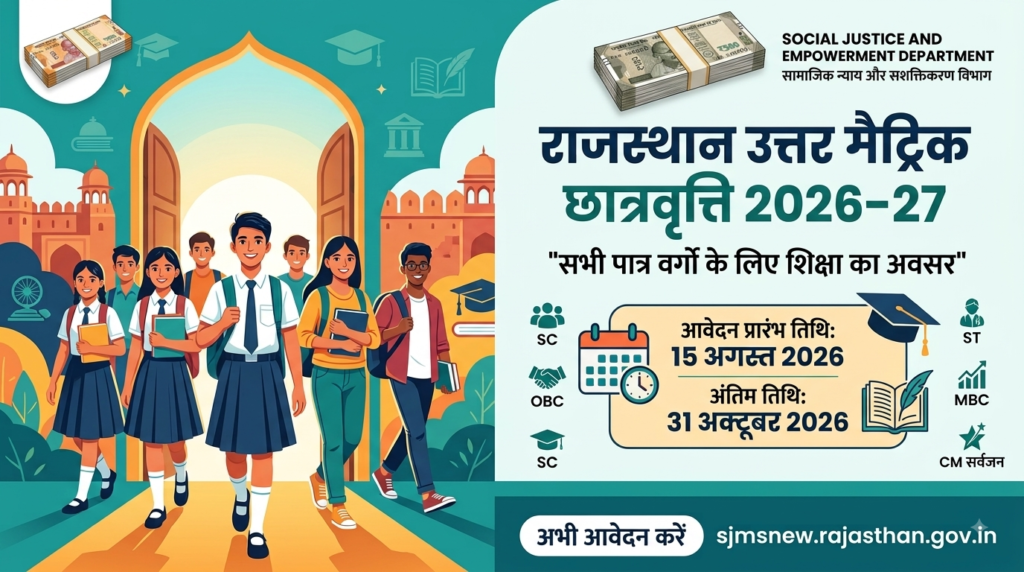
1. Education Schemes for Girls
These may encourage girls to continue their education through:
- Scholarships
- Educational incentives
- Fee assistance
- Residential support
- Other educational benefits
Eligibility may depend on class, academic performance, income, residence, and other conditions.
2. Women Financial Assistance Schemes
Some programmes may provide financial support to eligible women.
The purpose can vary and may include:
- Social security
- Livelihood support
- Family welfare
- Economic assistance
- Other approved purposes
The amount, frequency, and eligibility depend on the specific scheme.
3. Women Entrepreneurship Schemes
Government programmes may support women who want to start or expand a business.
Support can involve:
- Credit facilities
- Entrepreneurship training
- Skill development
- Business support
- Subsidy-linked programmes
- Market-related assistance
A scheme offering access to credit should not be described as a guaranteed loan approval.
4. Skill Development Schemes for Women
Skill development programmes can help women learn practical or vocational skills.
Training areas may include:
- Digital skills
- Handicrafts
- Tailoring
- Beauty and wellness
- Food processing
- Retail
- Technical skills
- Entrepreneurship
- Other vocational activities
Availability depends on the programme and location.
Women Welfare Schemes for Girls
Government programmes may support girls through education and welfare initiatives.
Possible areas include:
- School education
- Higher education
- Scholarships
- Educational incentives
- Health and nutrition
- Skill development
Parents should check the age, education level, income, residence, and other requirements before applying.
Women Welfare Schemes for Students
Girls and women pursuing education may find scholarships or educational support based on:
- Academic merit
- Family income
- Course
- Category
- State
- Institution
- Other eligibility criteria
Students should verify whether a particular programme is intended for school students, college students, professional courses, or higher education.
Women Entrepreneurship and Self-Employment
Entrepreneurship is an important part of women’s economic participation.
Government-supported programmes may assist eligible women with:
- Business training
- Financial access
- Skill development
- Self-employment opportunities
- Enterprise development
- Market-related support
Before applying for any business-related programme, applicants should understand:
Eligibility → Loan/Credit Terms → Interest → Repayment → Subsidy Conditions → Required Documents
A subsidy does not necessarily mean that the entire cost of a business will be paid by the government.
Women Skill Development Programmes
Skill development can help women improve employment and self-employment opportunities.
Depending on the programme, training may be available in:
- Computer applications
- Digital literacy
- Vocational trades
- Handicrafts
- Food processing
- Healthcare-related skills
- Beauty and wellness
- Retail
- Entrepreneurship
- Other occupational areas
Applicants should check whether training is free, subsidized, or subject to any applicable charges.
Women Healthcare Schemes
Women may also benefit from government healthcare programmes.
Depending on the scheme, support may relate to:
- Maternal healthcare
- Pregnancy-related services
- Nutrition
- Preventive healthcare
- Medical treatment
- Child health
- Reproductive health services
Healthcare benefits vary considerably between programmes.
Readers should verify the list of services, eligible beneficiaries, hospitals, and applicable conditions through the official source.
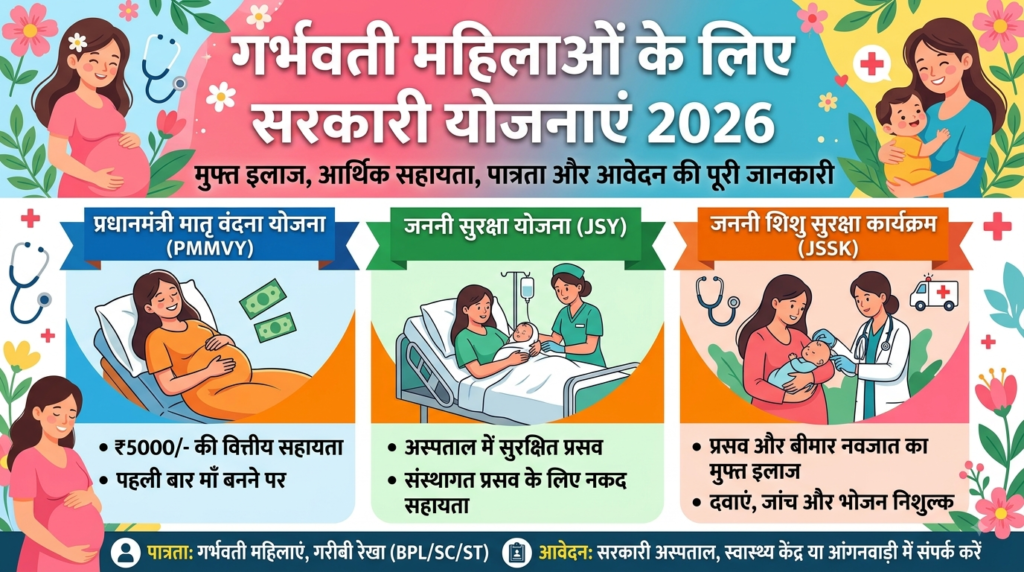
Maternity and Mother-Child Welfare Schemes
Some government programmes are designed to support eligible pregnant women, mothers, and children.
Such programmes may involve:
- Maternal health
- Nutrition
- Pregnancy-related support
- Child healthcare
- Institutional delivery-related services
- Other welfare assistance
Applicants should carefully check the eligibility conditions and required documentation.
Women Pension and Social Security Schemes
Eligible women may also receive support under social-security programmes.
Depending on the programme, this may include:
- Widow pension
- Senior citizen support
- Disability-related support
- Other social-security assistance
The eligibility, amount, age requirement, income criteria, and application process vary by scheme.
Schemes for Widows
Some government welfare programmes provide support to eligible widows.
Possible assistance may include:
- Pension
- Financial support
- Social-security benefits
- Skill development
- Livelihood assistance
Eligibility can depend on age, income, residence, family circumstances, and other conditions.
Applicants should verify the latest requirements with the relevant department.
Schemes for Women From Economically Weaker Families
Some programmes may provide support based on financial circumstances.
Applicants may be required to provide:
- Income certificate
- Residence certificate
- Bank account details
- Identity proof
- Other supporting documents
The income limit is scheme-specific and should not be assumed from another government programme.
Women Welfare Schemes at the State Level
State governments may operate women welfare programmes specifically for residents of that state.
These can cover:
- Women financial assistance
- Girls’ education
- Women entrepreneurship
- Pension
- Skill development
- Healthcare
- Housing
- Social welfare
A state-level programme may have different eligibility rules from a similar central government programme.
Central Government Schemes for Women
Central government departments may also operate women-focused programmes.
These can address:
- Women’s empowerment
- Health
- Education
- Entrepreneurship
- Skill development
- Safety
- Child welfare
- Social support
Applicants should check the relevant central government department or authorized portal for the latest information.
Documents Commonly Required
The required documents depend on the scheme.
Common documents may include:
- Aadhaar or accepted identity proof
- Passport-size photograph
- Mobile number
- Bank account details
- Income certificate
- Residence/domicile certificate
- Educational documents
- Age proof
- Marriage-related document, where applicable
- Widow certificate or relevant proof, where applicable
- Disability certificate, where applicable
- Business documents, where applicable
- Other scheme-specific documents
Applicants should provide documents only through the official application process.
How to Apply for Women Welfare Schemes Online
Where an online application is available, the process generally follows these steps.
Step 1: Identify the Scheme
Find a programme relevant to your needs and eligibility.
Step 2: Visit the Official Website
Use the government department or authorized application portal.
Step 3: Read the Guidelines
Check eligibility, benefits, documents, and deadline.
Step 4: Register
Create an account if registration is required.
Step 5: Fill Out the Application
Enter personal and other required information accurately.
Step 6: Upload Documents
Upload the documents in the required format.
Step 7: Review
Check every detail carefully.
Step 8: Submit
Submit the application before the prescribed deadline.
Step 9: Save the Application Number
Keep the acknowledgement safely for future status tracking.
Offline Application Process
Not every welfare programme necessarily uses a fully online process.
Depending on the scheme, applications may be handled through:
- Government offices
- District administration
- Local authorities
- Banks
- Schools or colleges
- Authorized service centres
- Other designated offices
Always confirm the authorized application channel before submitting documents or paying any service charge.
How to Check Women Scheme Application Status
Where status tracking is available, applicants may need:
- Application number
- Registration ID
- Beneficiary ID
- Mobile number
- Date of birth
- Other prescribed details
The status may show:
- Submitted
- Under verification
- Approved
- Rejected
- Correction required
- Payment pending
- Payment processed
The exact terminology depends on the concerned portal.
Why Can a Women Welfare Application Be Rejected?
Possible reasons include:
- Eligibility criteria not satisfied
- Incorrect personal information
- Income limit exceeded
- Invalid documents
- Residence requirement not met
- Bank details mismatch
- Duplicate application
- Verification failure
- Missing mandatory information
- Application submitted after the deadline
The applicant should check the official status or rejection reason before taking further action.
Women Welfare Scheme Renewal
Some benefits may require renewal or periodic verification.
Applicants may need to confirm:
- Continued eligibility
- Residence
- Bank details
- Income status
- Educational status
- Other scheme-specific information
Never assume that a benefit automatically continues indefinitely.
Women Scheme Payment
Where a programme provides financial assistance, payment may be made through the prescribed government payment system.
Applicants should ensure that:
- Bank details are correct
- Required verification is complete
- Application has been approved
- No correction is pending
- Required documents are valid
The approval date and actual payment date may not always be the same.
Why Women Welfare Payments Can Be Delayed
Possible reasons include:
- Verification pending
- Incorrect bank details
- Document issue
- Administrative processing
- Payment processing
- Application correction
- Technical problems
- Other programme-specific reasons
Check the official status before concluding that the benefit has been cancelled.
How Women Can Find the Right Government Scheme
Instead of searching only for “women scheme 2026”, identify your requirement first.
Student
Search education and scholarship programmes.
Homemaker
Check applicable welfare, skill, livelihood, and financial-support programmes.
Entrepreneur
Look for entrepreneurship, credit, training, and business-development schemes.
Job Seeker
Search employment and skill-development programmes.
Pregnant Woman
Check applicable maternal and healthcare programmes.
Widow
Check pension and social-security schemes.
Senior Woman
Check senior citizen and social-security programmes.
Eligibility must always be verified against the specific scheme.
Women Welfare Scheme vs Women Empowerment Scheme
These terms are related but can have different meanings.
Women welfare schemes may focus on direct support and social welfare.
Women empowerment schemes may focus on:
- Education
- Skills
- Employment
- Entrepreneurship
- Economic participation
- Decision-making opportunities
A single programme may address both welfare and empowerment.
How to Avoid Fake Women Welfare Schemes
Fraudsters may use the names of popular government programmes to collect personal or financial information.
Be cautious if someone asks you to:
- Pay an unexpected registration fee
- Share OTP
- Share UPI PIN
- Share ATM PIN
- Provide banking passwords
- Click suspicious links
- Install unknown applications
- Send money for “guaranteed approval”
Always verify the scheme through the official government source.
Never Share OTP or UPI PIN
Government scheme applicants should protect confidential information.
Never share your:
- OTP
- UPI PIN
- ATM PIN
- Card PIN
- Internet banking password
- Other banking credentials
An application may require identity or bank information, but confidential authentication credentials should not be disclosed to unknown persons.
How to Keep Women Scheme Information Updated
Government welfare information can change.
Your website should regularly check official sources for updates regarding:
- Scheme continuation
- New guidelines
- Eligibility
- Benefit amount
- Application dates
- Documents
- Portal changes
- Department changes
- Payment process
Every article should include a visible:
Last Updated: [Date]
This improves transparency for readers.
Recommended Structure for Every Women Welfare Scheme Post
For individual scheme articles, use a consistent format:
- Scheme Name
- Overview
- Objective
- Eligibility
- Who Can Apply
- Age Requirement
- Income Criteria
- State/Residence Requirement
- Benefits
- Documents Required
- Online Application
- Offline Application
- Selection/Verification
- Payment Details
- Status Check
- Renewal
- Important Dates
- Latest Update
- FAQs
- Official Source
- Last Updated Date
- Disclaimer
This structure helps readers quickly find the information they need.
SEO Keywords for Women Welfare Schemes
Relevant search terms include:
- Women welfare schemes 2026
- Government schemes for women
- Government schemes for women in India
- Women welfare schemes in India
- Latest women welfare schemes
- Women government schemes
- Women empowerment schemes
- Government schemes for girls
- Women financial assistance schemes
- Women entrepreneurship schemes
- Women skill development schemes
- Women scholarship schemes
- Women pension schemes
- Maternity schemes for women
- Government benefits for women
- Women schemes online apply
- Women scheme eligibility
- Women welfare scheme documents
- Women scheme status check
- Government schemes for women entrepreneurs
- Government schemes for widows
- Government schemes for senior women
Use these keywords naturally and only when they accurately match the content.
Frequently Asked Questions
What are women welfare schemes?
Women welfare schemes are government programmes designed to provide eligible women and girls with support in areas such as education, healthcare, employment, entrepreneurship, financial assistance, and social security.
Who can apply for women welfare schemes?
Eligibility depends on the individual programme. Age, income, residence, occupation, education, marital status, and other conditions may apply.
Are women welfare schemes available to all women?
No. Each scheme has its own eligibility criteria.
Are there government schemes for women entrepreneurs?
Yes, various government programmes may support eligible women entrepreneurs through training, credit, business development, or other forms of assistance.
Are there schemes for girls’ education?
Yes, eligible girls may have access to education-related scholarships, incentives, and other programmes.
Are there pension schemes for women?
Some government programmes provide social-security or pension support to eligible women, including certain widow and senior-citizen programmes.
What documents are usually required?
Identity proof, bank details, income certificate, residence documents, age proof, educational records, and other scheme-specific documents may be required.
Can women apply for schemes online?
Many programmes provide online applications, while some may use offline or assisted application systems.
How can I check my application status?
Use the official tracking facility provided by the concerned government department or authorized portal.
Can women receive more than one government benefit?
It depends on the rules of the individual programmes. Some benefits may be combined, while others may restrict overlapping assistance.
Why is my application pending?
It may be awaiting document verification, institutional or departmental approval, payment processing, or another administrative step.
How can I identify a fake women welfare scheme?
Verify the scheme through the official government department or authorized portal. Never share OTPs, UPI PINs, passwords, or other confidential banking credentials with unknown persons.
Final Takeaway
Women welfare schemes can support eligible women and girls across many areas, including education, healthcare, financial assistance, employment, entrepreneurship, skill development, maternity support, pensions, and social security.
But every scheme has its own rules.
The safest approach is:
Identify Your Need → Find the Relevant Scheme → Check Eligibility → Verify the Official Source → Prepare Documents → Apply → Complete Verification → Track Status
For your website, the Women Welfare category can become a strong evergreen information section by covering schemes in a structured and easy-to-understand way.
Each individual post should clearly answer the questions readers are most likely to search for:
Who is eligible? What benefits are available? What documents are required? How can I apply? What is the last date? Where can I check the application status? What should I do if my application is rejected or defective?
Avoid exaggerated claims such as “Every Woman Will Get Money”, “Guaranteed ₹50,000 for Women”, or “100% Government Approval” unless the exact statement is supported by an official notification or scheme guideline.
The goal should be to provide accurate, practical, and easy-to-understand information while directing readers to official sources for final verification.
Good women-welfare content should empower readers with information—not create false expectations about government benefits.
Informational Disclaimer
This article is provided for general informational and educational purposes only. It is not an official government notification, scheme guideline, financial approval, or guarantee of any benefit.
Women welfare schemes, eligibility criteria, benefit amounts, application procedures, deadlines, documents, and payment conditions may change from time to time.
Readers should verify the latest information through the official website of the concerned Central Government department, State Government department, district authority, or authorized implementing agency before applying.
Approval and payment of any benefit are subject to the applicable rules, eligibility requirements, verification process, availability of the programme, and decision of the competent authority.
This website does not guarantee financial assistance, pension, scholarship, employment, loan approval, subsidy, healthcare benefit, or any other government benefit.
Applicants should never share OTPs, UPI PINs, ATM PINs, passwords, or other confidential banking credentials with unknown persons claiming to process government scheme applications.
This disclaimer does not exclude or limit any liability that cannot lawfully be excluded or limited under applicable law.